
Plane Surveying: Basics, Techniques, and Real Applications

Plane Surveying: Basics, Techniques, and Real Applications

The essential science behind measuring our world with precision.


Introduction: The Hidden Skill Behind Every Construction Project

Before the first brick is laid, before a foundation is dug, and before a single machine arrives on site, something else must happen. A surveyor must measure the land with such accuracy that even a small error could change the entire project. This process, known as plane surveying, is the quiet backbone of civil engineering. It ensures that buildings stand straight, roads follow the correct alignment, and every structure sits exactly where it should.

People often think surveying is simply about “measuring land.” In reality, it is a mix of science, geometry, precision, and interpretation. Plane surveying might look simple from a distance, but it requires intense focus, mathematical thinking, and the ability to visualise a project long before construction begins. Without accurate surveys, even the best-designed projects can fail.


1. What Is Plane Surveying?

Plane surveying is the method of surveying land while assuming the Earth is flat over a small area. This is done because, for most engineering and architectural projects, the curvature of the Earth is negligible. When the area is small, the difference between “curved Earth measurements” and “flat plane measurements” becomes so tiny that it does not affect accuracy.

This assumption allows engineers to treat the ground as a two-dimensional plane and perform simpler calculations. It forms the foundation for designing buildings, roads, drainage systems, and land divisions. Plane surveying is used on construction sites, in agricultural planning, during property boundary marking, and in many public infrastructure projects.

It is one of the oldest and most important skills in civil engineering, and modern technology has only made it more powerful.


2. Why Plane Surveying Matters

A small error in surveying can magnify dramatically as a project grows. If a boundary line is marked incorrectly by even a few centimeters, a future building may be constructed outside the legal property. If the slope is miscalculated, drainage may fail, causing waterlogging or structural settlement. Engineers depend on accurate plane surveying to prevent future disasters.

Plane surveying ensures that all design elements align with real-world conditions. It verifies levels, determines elevations, guides excavation, and provides reference points for construction crews. It offers a roadmap for the project from start to finish. Good surveying reduces waste, prevents conflict, and saves enormous time and money.


3. Basic Principles of Plane Surveying

Plane surveying follows several core principles that help engineers maintain accuracy. One key principle is working from whole to part. Surveyors establish large, accurate control points first and then subdivide them into smaller networks. This prevents error accumulation and ensures that small mistakes in minor measurements do not affect major areas of the project.

Another principle involves verifying every measurement through repetition. Surveyors often take the same readings multiple times to identify inconsistencies. Angles, distances, and elevations are checked against one another to maintain reliability. This level of precision is what makes plane surveying such a trusted foundation for civil engineering work.


4. Instruments Used in Plane Surveying

Although surveying tools have evolved greatly, the fundamental principles remain the same. Traditional tools like the chain, tape, compass, and level are still used in basic surveying tasks, especially in remote regions or for small projects. These tools teach surveyors the fundamentals of measurement, alignment, and observation.

Modern surveys use far more advanced instruments. The total station, which combines electronic distance measurement with angle calculations, has become the industry standard. Digital levels provide extremely precise height measurements. GPS devices and drones are used for mapping large areas quickly. Despite these advancements, the skills learned through basic plane surveying guide the use of all modern instruments.

Every tool requires careful calibration, a deep understanding of its limitations, and the ability to interpret data accurately.


5. Common Techniques in Plane Surveying

Triangulation

This technique forms a network of triangles over the survey area. By measuring one side and two angles, surveyors can calculate all remaining unknowns. It is one of the oldest and most reliable methods for establishing control points.

Traversing

In traversing, a series of connected lines form the framework for mapping. Surveyors measure distances and angles at each point, creating a path that outlines boundaries, roads, or site perimeters. It is especially useful for construction layouts and property surveys.

Levelling

Levelling determines the relative heights of different points. This ensures proper drainage, foundation depth, and elevation control. Levelling is essential in road construction, pipeline design, and building foundations.

Taping and Offsetting

Used for small-scale work, this technique involves measuring straight distances and creating perpendicular offsets to locate objects. It is ideal for basic site planning and marking trees, fences, and utilities.

These techniques are chosen based on site conditions, project size, and required accuracy.


6. Real-World Applications of Plane Surveying

Plane surveying plays a decisive role in nearly every type of civil engineering project. Consider road construction. Surveyors determine the alignment, measure gradients, set out curves, and guide excavation. Without surveying, roads would be uneven, misaligned, or dangerous.

In building construction, surveyors mark the exact position of columns, walls, and foundations. They ensure that the structural design is reflected accurately on the ground. They verify heights, adjust levels, and help contractors translate plans into physical reality.

Plane surveying also supports environmental work, agriculture, drainage design, flood studies, land development, and municipal planning. Every successful project begins with the confidence that the land has been measured correctly.


Conclusion

Plane surveying may not attract the spotlight, but it forms the backbone of modern engineering. It ensures that structures stand in the right place, roads follow safe routes, and every element of a design fits together with precision. As technology advances, plane surveying becomes even more powerful, but its core principles remain the same. Accurate measurements, thoughtful planning, and reliable techniques will always be essential to building a safer and more organized world.

Understanding plane surveying means understanding the starting point of all civil engineering. Without it, nothing else can begin.
Elevated Systems: Typologies of Flood-Resilient Housing

Elevated Systems: Typologies of Flood-Resilient Housing

Floods don’t destroy homes. Weak designs do. And in a world where sea levels rise and storms intensify every year, elevated housing is no longer an option — it is survival engineering.


Introduction: Why Elevated Housing Matters Now More Than Ever

Floods are becoming more frequent, more destructive, and more unpredictable than at any point in modern history. Millions of families across coastal regions, river basins, and low-lying valleys are witnessing how traditional homes fail under the pressure of rising water. What used to be “once in a century” floods are now occurring every decade.

Civil engineers have responded with one clear solution: elevation. Lifting structures above flood levels reduces damage, protects communities, and saves lives. But elevation is not a single method. It is an entire science involving soil behavior, hydrodynamics, foundation design, material selection, and community planning.

This blog explores the major typologies of elevated housing, explains how they work, and outlines why they are essential for building a flood-resilient future.


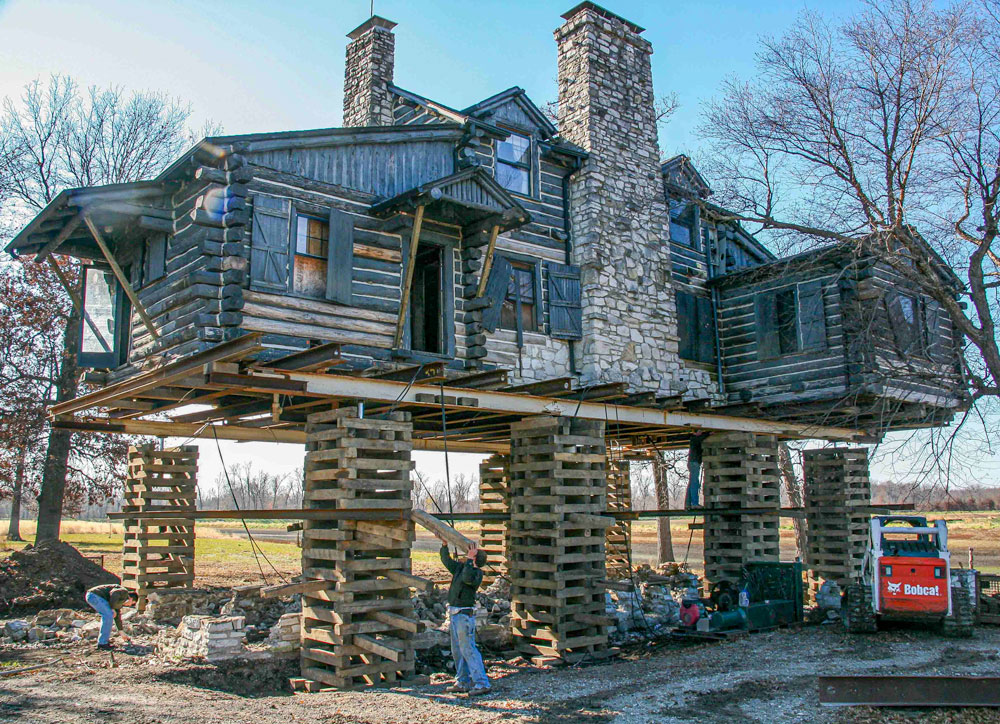
1. Stilt / Pile-Supported Housing: The Classic Elevated System

Stilt housing is one of humanity’s oldest flood-resilient systems, used for centuries in regions like Kerala, Vietnam, Bangladesh, and coastal Louisiana. The idea is simple: raise the house on long vertical columns so water can flow under rather than through it.

How They Work

Engineers drive piles deep into stable soil layers, allowing the structure to remain firm even as floodwaters pass beneath. These piles resist lateral forces from waves and debris while keeping the house level during floods.

Where It Works Best

Stilt housing is ideal for:
• riverbanks
• deltas and estuaries
• coastal regions
• areas with moderate wave energy

Why It Matters

Raising homes even 1–2 meters drastically reduces loss of property, and raising them 3–5 meters can prevent catastrophic structural failure. Communities in the Sundarbans and the Mekong Delta rely on elevated stilt systems daily, proving their resilience in real-world conditions.


2. Raised Earth and Earthen Plinth Systems: Low-Tech, High-Impact Elevation

Before concrete and steel, people elevated homes using earth, creating raised platforms above flood levels. This remains one of the most accessible and cost-effective solutions for rural communities.

How They Work

Engineers compact layers of soil, sand, gravel, or stabilized earth to create a plinth that lifts the home above expected flood lines. The platform is shaped to divert water away and resist erosion.

Where It Works Best

• rural villages
• agricultural communities
• regions with predictable flood patterns

Why It Matters

Raised earth systems are incredibly affordable and easy to build using local materials. The Char communities of Bangladesh and many flood-prone Indian villages still rely on this method — often combined with modern reinforcement for better durability.


3. Floating / Amphibious Housing: Homes That Rise With the Water

When water levels become unpredictable, engineers design homes that move. Amphibious housing rests on the ground during normal weather but floats safely when floods arrive.

How They Work

These systems use buoyant foundations — such as sealed drums, EPS blocks, or air-filled pontoons — connected to vertical guide posts. As water rises, the house lifts while staying aligned, and when water recedes, it returns to its original position.

Where It Works Best

• areas with fluctuating water levels
• backwater regions
• wetlands

Why It Matters

Amphibious housing reduces long-term maintenance costs and eliminates the fear of unpredictable floods. Projects in the Netherlands, Thailand, and the United States have already proven their safety and practicality.


4. Hybrid Elevated Systems: Combining Modern Engineering With Local Needs

In many communities, neither stilts nor floating homes alone solve the full problem. Hybrid systems use a combination of elevation techniques, engineered foundations, breakaway walls, and vented plinths to allow floodwaters to flow without damaging the structure.

Examples of Hybrid Designs Include:

• raised homes with flood vents to reduce hydrostatic pressure
• stilt-plus-plinth systems for areas with extreme soil erosion
• light-frame houses on sacrificial lower levels

Why It Matters

Hybrid systems are highly adaptable. Engineers select elements based on soil, climate, hydrology, and cultural preferences, ensuring resilience without imposing unfamiliar designs on local communities.


5. Engineering Principles Behind All Elevated Systems

Regardless of the typology, successful elevated homes always follow the same underlying engineering principles.

A. Designing for Hydrostatic and Hydrodynamic Forces

Engineers calculate how still water pushes against foundations as well as how moving water exerts pressure and drag. Ignoring these forces causes failures.

B. Soil Investigation and Scour Protection

Weak soil or soil washed away by floodwaters is a silent killer of elevated homes. Proper geotechnical investigation is essential.

C. Material Selection

Lightweight yet durable materials reduce the load on stilts or floating systems. Timber, bamboo composites, galvanized steel, and fiber-reinforced polymers are preferred in many regions.

D. Redundancy and Fail-Safe Design

If one component fails, another should take over. Flood resilience depends on layered safety.


6. Why Elevated Housing Saves Communities

Elevation does more than protect buildings. It protects people, livelihoods, schools, food supplies, and entire neighborhoods. A single elevated home can become a shelter for many families during flooding. Elevated settlements also maintain access to evacuation routes and reduce long-term economic loss.

For governments and NGOs, elevated housing offers durable, scalable, and culturally adaptable solutions — especially in a climate-uncertain future.


Conclusion: Elevation Is Not About Height. It Is About Preparedness.

Flood-resilient housing is no longer a niche topic or an optional design idea. It is a global necessity. As climate change intensifies storms and river systems swell unpredictably, elevated housing will remain one of the most effective and life-saving solutions civil engineers can offer.

The challenge now is scaling these systems responsibly, combining modern engineering with community knowledge, and ensuring that every family — regardless of income — has access to a home that can withstand the next flood.

Bamboo Woven Panels & Poles: Traditional Material Reinvented for Resilience

Bamboo Woven Panels & Poles: Traditional Material Reinvented for Resilience

How an ancient craft is powering the future of flood-adaptive, low-carbon housing.


A 2000-year-old material is solving one of today’s biggest housing problems

Every year, floods destroy thousands of homes—not because the walls are weak, but because the materials are too rigid, too heavy, or too slow to respond. Yet in rural Asia, Africa, and the Pacific Islands, there is a material that has quietly survived centuries of storms: woven bamboo panels and bamboo poles.

What seems old-fashioned is now being rediscovered by engineers as one of the strongest, lightest, most flood-adaptive materials on Earth.

This blog explores how bamboo, once seen as “poor man’s timber,” is becoming one of the most promising answers to resilient housing.


Understanding Bamboo as a Structural Material

Bamboo is not a tree. It is a giant grass, which gives it advantages that timber, steel, and concrete cannot replicate. It grows fast, regenerates quickly, and has a tensile strength that can compete with structural steel when used correctly.

Engineers value bamboo because its natural tubular structure allows it to bend without breaking. Where conventional materials may crack during floods, bamboo can deform, absorb stress, and return to shape. When woven into panels, bamboo becomes a lightweight but sturdy surface capable of acting as walls, partitions, or even load-sharing enclosures.

The value of bamboo lies not just in strength but in its ability to fail gradually instead of collapsing suddenly, giving residents crucial evacuation time during disasters.


Why Bamboo Works in Flood-Prone Areas

Flood-resilient structures require materials that are:

• light enough not to collapse under water pressure
• flexible enough to move with currents
• breathable to dry quickly
• resistant (or treatable) to moisture and insects
• easy to repair if damaged

Bamboo meets all of these criteria. In many Southeast Asian floodplains, woven bamboo panels are designed to let water pass through small joints instead of resisting it. This reduces hydraulic pressure during rising floods. After the water recedes, the walls dry naturally, reducing the risk of mold or long-term saturation.

In contrast, concrete or brick absorbs water, expands, cracks, and retains dampness for months. Bamboo’s porous surface loses moisture quickly, making it an ideal candidate for flood-adaptive structures.


How Woven Bamboo Panels Are Made

Woven bamboo panels (also known as bamboo mat walls, amakan, or woven wattle walls) follow a simple but effective process:

  1. Long bamboo strips are shaved into flexible slats.

  2. These slats are woven tightly into repeating geometric patterns.

  3. Panels are framed with thicker bamboo poles or timber members.

  4. Panels are often plastered with mud, lime, or earthen render for thermal comfort.

This weaving process creates natural air gaps, making the walls extremely lightweight while maintaining surprising stiffness. The weaving pattern also acts as an internal “mesh,” distributing forces evenly when struck by water or wind.


Engineering Bamboo Poles Into Strong Structural Members

Modern engineering has upgraded raw bamboo poles into structurally reliable elements. The process includes:

borax/boric acid treatment to prevent insect attack
smoke curing to reduce moisture
seasoning to stabilize dimensions
resin injection for reinforcement
laminated bamboo beams (engineered bamboo)

Properly treated bamboo can last 25–40 years, and engineered bamboo lasts even longer. In many flood-adaptive stilt houses, bamboo poles act as the primary vertical members, distributing loads while allowing minimal resistance to floodwater impacts.

Because bamboo is hollow and flexible, it performs exceptionally well under lateral forces—one of the main contributors to failure during floods.


Where Bamboo Woven Panels Are Successfully Used

1. Vietnam’s Mekong Delta: The Floating Vernacular

Communities along the Mekong have used bamboo panels for generations because they are lightweight and can rise with floating platforms. When floods occur, residents simply repair local damage at minimal cost, unlike concrete or brick homes that often need major repairs.

2. India’s Assam & Northeast: Bamboo Stilts and Wall Panels

In Assam’s floodplains, bamboo houses on stilts survive monsoon floods yearly. Panels woven locally are replaced seasonally at extremely low cost, making the system both resilient and economical.

3. Philippines: “Amakan” Housing

Here, bamboo walls are woven into chevron or diamond patterns, providing resilience during typhoons and flash floods. Engineers are now integrating amakan walls into modern modular units.

These examples show that traditional technologies often succeed where modern materials fail.


Advantages of Bamboo Panels & Poles for Flood-Resilient Housing

Lightweight yet Strong

Because bamboo is so light, it reduces overall load on the structure, making it less susceptible to collapse during floods.

Flexibility and Impact Absorption

Woven panels distribute localized impact from debris or water surges better than brittle materials.

Fast Construction

A skilled two-person team can weave and install walls in a single day, reducing labor cost dramatically.

Sustainable and Low-Carbon

Bamboo stores carbon as it grows and regenerates rapidly. Using it reduces environmental footprint while promoting local economies.

Easy to Repair

This is critical for low-income communities. A damaged panel can be replaced affordably without specialized labor.


Challenges and Solutions

Challenge: Perception of Bamboo as a “Poor” Material

Solution: Modern engineered bamboo, standardized treatments, and international codes (ISO 22156) are changing this perception.

Challenge: Durability in moisture-heavy environments

Solution: Proper preservative treatment, elevation above ground, and protective plasters greatly extend lifespan.

Challenge: Building Codes and Lack of Standardization

Solution: Many countries are beginning to include bamboo in building standards, but more advocacy and engineering documentation is needed.


Future of Bamboo in Modern Resilient Housing

Innovators are now building hybrid wall systems, combining bamboo mats with polymer coatings or earthen plasters to increase strength. Engineered bamboo beams are replacing timber in eco-friendly projects, while bamboo poles are being used in prefabricated chassis for modular flood-proof homes.

With rising floods due to climate change, bamboo’s natural resilience, rapid renewability, and low embodied energy make it one of the most promising materials for the next generation of disaster-resilient housing.


Conclusion

Bamboo woven panels and poles are more than cultural heritage. They are living proof that traditional wisdom, when combined with modern engineering, can solve today’s toughest housing challenges. As urban areas search for low-cost, flexible, sustainable, and disaster-ready solutions, bamboo stands out as a material that is both ancient and futuristic—capable of protecting communities while respecting the planet.

Fly-Ash Bricks for Flood-Resilient Housing

Fly-Ash Bricks for Flood-Resilient Housing: Affordable Strength for a Changing Climate

Introduction: A Material Born From a Problem Becomes a Solution

Every year, floods destroy thousands of homes across Asia, Africa, and coastal regions of the United States. While engineers debate foundations, drainage systems, and elevation strategies, one quiet hero of modern flood-resilient construction is often overlooked. Fly-ash bricks, once considered industrial waste, are now becoming a durable, sustainable, and affordable building material for homes that must survive repeated flooding.

Fly-ash bricks offer something rare in the field of civil engineering. They turn a waste product from coal power plants into a high-strength building block that resists moisture, minimizes cracking, and performs exceptionally well in humid or flood-prone environments. For millions of low-income families, this makes the difference between rebuilding every year and finally owning a home that lasts.


1. What Exactly Are Fly-Ash Bricks?

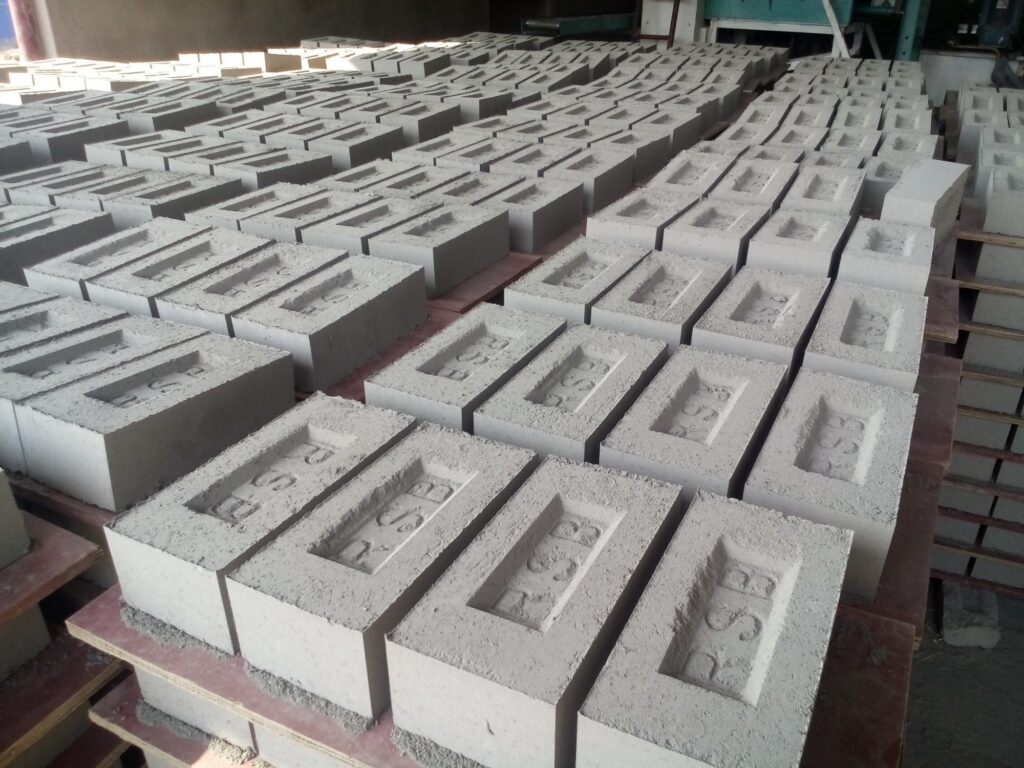
Fly-ash bricks are manufactured using fly ash (a by-product of thermal power plants), lime, gypsum, and sand. Instead of being fired in kilns like traditional clay bricks, they are compressed and cured. This curing process minimizes energy consumption and creates a stronger, more uniform brick.

One of the biggest advantages is their extremely low water absorption rate. While clay bricks absorb fifteen to twenty percent water, fly-ash bricks often absorb less than ten percent. During floods, this difference determines the extent of damage a wall sustains and how quickly it can dry afterward.

Fly-ash bricks are lightweight, dimensionally stable, and require less mortar, which makes construction faster and more cost-efficient in rural and urban settings alike.


2. Why Fly-Ash Bricks Perform Better During Floods

Homes built with clay bricks tend to crack, erode, and retain moisture after a flood. This leads to mold growth, weak walls, and long repair times. Fly-ash bricks respond differently because of their microstructure. Their tightly compacted composition makes them far less porous and far more resistant to erosion or saturation.

When floodwater enters a home, walls built from fly-ash bricks dry faster, maintain structural integrity, and suffer fewer surface failures. This dramatically reduces post-flood repair costs, especially for low-income communities that cannot afford continuous reconstruction.

In addition, the lime in fly-ash bricks chemically reacts during curing to form compounds that improve density and strength, giving them long-term durability even under extreme moisture cycles.


3. Environmental Benefits: Turning Waste Into Resilience

Millions of tons of fly ash are produced every year, much of which ends up in landfills or contaminates soil and water. Transforming this waste into a structural material not only protects the environment but also reduces the pressure on natural soil resources used to make clay bricks.

Producing fly-ash bricks lowers carbon emissions by eliminating the need for fired kilns. It also reduces the demand for topsoil, which is often illegally mined and contributes to ecological degradation. Choosing fly-ash bricks means building flood-resilient homes while contributing to sustainable urban development.

Communities that adopt fly-ash bricks often see both environmental and economic benefits, since local manufacturing creates jobs and keeps material costs low.


4. Cost Advantage: Making Resilient Construction Affordable

Affordability is one of the biggest barriers to flood-resilient housing. Fly-ash bricks are significantly cheaper to manufacture than clay bricks, especially near power plants where fly ash is abundant.

Construction using fly-ash bricks requires less mortar and results in straighter, more uniform walls. For developers and homeowners working with tight budgets, this means reduced labor time, fewer material defects, and lower overall cost of construction.

For rural housing, disaster-relief projects, and low-income communities, these savings make resilient housing accessible without compromising safety or quality.


5. Real-World Case Study: Kerala and Bangladesh Rebuilding With Fly-Ash Bricks

After the devastating 2018 floods in Kerala, India, local engineers began looking for fast, low-cost materials to rebuild damaged homes. Fly-ash bricks quickly emerged as a preferred choice because they resisted moisture better than traditional clay bricks and allowed homeowners to rebuild durable walls without increasing project cost.

In Bangladesh’s flood-prone deltaic regions, NGOs and community projects have adopted fly-ash bricks for small flood-resilient homes. The bricks’ quick curing time and consistent strength make them ideal for rebuilding large numbers of houses after seasonal flooding. Combined with raised plinths or stilt foundations, they provide long-lasting protection for communities that face annual inundation.

These case studies show that fly-ash bricks are not just a material choice. They are part of an integrated resilience strategy for regions where rebuilding every year has become the norm.


6. Challenges and How Engineers Overcome Them

Like any material, fly-ash bricks have limitations. Their performance depends on the quality of fly ash and the precision of the mixing process. Poorly manufactured bricks may crumble or absorb moisture more easily. To address this, engineers emphasize quality control at manufacturing plants and encourage training for local producers.

Another challenge is perception. Many homeowners are not familiar with fly-ash bricks and assume traditional clay bricks are stronger. Overcoming this requires awareness campaigns and on-site demonstrations during community construction programs.

Despite these challenges, the engineering consensus is clear. When manufactured correctly, fly-ash bricks outperform conventional bricks in both durability and flood resilience.


Conclusion: A Small Brick With a Big Impact

In the search for affordable, flood-resilient housing, complex technologies like modular systems, amphibious foundations, and advanced drainage techniques often steal the spotlight. But sometimes, resilience begins with a single building block.

Fly-ash bricks are strong, sustainable, moisture-resistant, and inexpensive. They offer communities a chance to build homes that can withstand rising water levels while reducing environmental harm and construction costs. For engineers designing resilient homes, fly-ash bricks remain one of the most practical materials for the future.

Green Concrete and Sustainable Building Materials

Green Concrete and Sustainable Building Materials

How the future of construction is being rebuilt, one eco-friendly material at a time.


Introduction: The Cement Problem Nobody Talks About

Concrete is everywhere. It shapes our homes, bridges, footpaths, skyscrapers, dams, and the very infrastructure that defines modern life. Yet very few people realize that traditional cement production alone contributes up to eight percent of global CO₂ emissions. This means that every slab cast, every beam poured, and every column raised carries a hidden environmental cost. The world needs concrete, but it also needs a way to build without damaging the planet that supports us.

This is where the shift toward green concrete and sustainable building materials begins. Engineers, researchers, and policymakers are now racing to reinvent concrete so that it remains strong, durable, and affordable, but far more environmentally responsible. What began as small experimental batches in laboratories has now evolved into one of the biggest revolutions in construction technology.


1. What Is Green Concrete? A Simple Idea With Powerful Impact

Green concrete is not a new type of concrete but rather a new way of making concrete. The idea is simple: reduce the amount of ordinary Portland cement and replace it with materials that have a smaller environmental footprint. These replacements are often industrial by-products, naturally available minerals, or even recycled waste. Instead of harming the environment, green concrete finds ways to use what society throws away.

The result is a concrete that performs well structurally, lasts longer in harsh environments, and significantly reduces carbon emissions. When designed correctly, green concrete can even improve durability and decrease long-term maintenance compared to traditional mixes. This combination of sustainability and performance is why governments and engineers worldwide are adopting it rapidly.


2. Why Traditional Cement Is Harmful for the Planet

Understanding the problem helps appreciate the solution. Cement releases carbon dioxide during two stages: the chemical breakdown of limestone and the fossil-fuel-based heating required to process it. This makes cement one of the most carbon-intensive materials used in construction. With urbanization increasing worldwide, the demand for concrete continues to rise, which means emissions rise as well.

Green concrete reduces cement consumption by using alternative binders. When millions of tons of cement are replaced across the world, the impact on carbon emissions becomes enormous. This shift is not just beneficial; it is necessary for a sustainable future.


3. Supplementary Cementitious Materials: The Backbone of Green Concrete

The most common strategy for creating green concrete is replacing a portion of cement with Supplementary Cementitious Materials, or SCMs. These materials improve strength, durability, and chemical resistance, all while reducing environmental impact.

Fly ash, a by-product of coal combustion, has long been used to improve workability and decrease heat of hydration in mass concrete. Ground granulated blast furnace slag, produced from steel manufacturing, enhances long-term strength and reduces permeability. Silica fume, collected from silicon production, creates exceptionally dense concrete that resists chemical attacks. These materials have already proven their value in bridges, tall buildings, dams, and marine structures.

What makes SCMs powerful is that they transform industrial waste into high-performance materials. Instead of contributing to landfills, these by-products contribute to stronger and more sustainable infrastructure.


4. Geopolymer Concrete: A Cement-Free Future

One of the most exciting advancements in sustainable construction is geopolymer concrete. Instead of using cement as a binder, geopolymer mixes use industrial waste materials combined with alkaline activators to create strong, durable concrete. This eliminates the carbon emissions associated with traditional cement production.

Geopolymer concrete performs exceptionally in environments with heavy chemical exposure, making it ideal for wastewater plants, industrial floors, and marine structures. In addition to reducing emissions by up to eighty percent, it also offers impressive resistance to fire and corrosion. Many researchers believe that geopolymer concrete will eventually become a mainstream alternative to Portland cement.


5. Recycled Aggregates and Waste-Based Materials

Concrete uses large quantities of stone and sand, which puts pressure on natural resources. Recycled aggregates offer a solution by reusing demolished concrete, crushed bricks, and other waste materials. When processed properly, recycled aggregates can perform comparably to natural aggregates in many applications.

In some regions, researchers are using plastic waste, crumb rubber from old tires, and even recycled glass to create innovative concrete mixes. These alternatives help manage waste, reduce demand for virgin materials, and promote circular construction practices. Every time recycled aggregates replace natural ones, the environmental burden decreases significantly.


6. Low-Carbon Binders, Bio-Materials, and Future Innovations

The future of sustainable construction is filled with promising new materials. Algae-based binders, which absorb carbon dioxide as they grow, show early potential. Hempcrete, made from hemp fibers and lime, provides excellent insulation and significantly reduces carbon footprint. Some companies are developing concrete that absorbs carbon dioxide during curing, transforming it into mineral form and locking it into the structure forever.

These innovations demonstrate how rapidly the field is evolving. As research continues and adoption grows, sustainable materials will shape the next generation of buildings.


7. How Green Concrete Performs in Real Projects

Green concrete is not just an academic concept. It is already used in bridges, roads, residential towers, and major infrastructure worldwide. Cities like Singapore, Amsterdam, Dubai, and New York have adopted low-carbon concrete for public projects. Many of these structures show excellent durability, reduced heat generation, and improved long-term performance.

In real flood-resilient housing projects, engineers use SCM-based concrete to reduce stiffness mismatch, improve crack resistance, and enhance durability against cycles of wetting and drying. In marine environments, slag-based concrete significantly slows chloride penetration, preventing steel corrosion.

These success stories prove that green concrete is not a compromise. It is progress.


8. Challenges to Widespread Adoption

Although green concrete offers clear benefits, adoption is not always easy. Some contractors worry about unfamiliar materials. Some regions lack standardized codes. Quality control can be challenging when dealing with recycled materials or industrial by-products. These challenges are real, but they are solvable with proper training, regulatory support, and research.

The future of sustainable construction depends on addressing these challenges at scale.


Conclusion: Building a Greener Future, One Mix at a Time

Civil engineering is entering a new era where sustainability is as important as strength. Green concrete and sustainable building materials show that it is possible to build responsibly without sacrificing performance. They allow us to create infrastructure that lasts longer, resists harsh environments, and reduces environmental harm.

If the world embraces these innovations, the next generation of cities will be stronger, cleaner, and far more sustainable than anything built before.

How a House Is Built: From Soil to Roof

How a House Is Built: From Soil to Roof

A complete journey through the science, engineering, and craftsmanship behind every home.


Introduction: What You Don’t See When You Look at a House

When someone looks at a finished home, they see paint, tiles, glass, and maybe the beauty of a well-designed elevation. What they rarely see is the enormous amount of planning, measurement, engineering, and invisible work that begins long before the first brick is laid. A house is not simply built. It is grown from the soil beneath it, shaped carefully through dozens of technical steps, and strengthened layer by layer until it becomes a safe living space.

Understanding how a house is built reveals a world of decisions that determine everything from comfort to durability. It shows why certain homes last generations while others develop cracks, leaks, or structural failures. Most importantly, it gives homeowners a deeper appreciation of the professionals who turn a patch of earth into a place called home.

This guide takes you through the complete journey of construction, beginning from the soil under your feet and ending at the final roof layer.


1. Soil Investigation: The Ground That Decides Everything

Every house begins with the soil. Before any drawing or design is approved, engineers examine the ground to understand how much load it can support, how it behaves when wet, and how stable it is during seasonal changes. A good soil test prevents future problems such as uneven settlement, cracks in walls, or even structural failure.

Engineers study soil types like clay, silt, sand, and rock. Each behaves differently under pressure. Clay expands and shrinks with moisture. Sand drains water rapidly but can shift under heavy loads. Rock provides excellent strength but may require heavy machinery to excavate. Soil investigation also tells engineers how deep foundations must go and what materials will keep the building stable for decades.

A house that stands firm from the start is always rooted in a proper understanding of the soil.


2. Foundation: The Structural Backbone of the House

Once the soil is understood, the next step is designing the foundation. The foundation transfers the weight of the home safely into the earth. Engineers choose between shallow foundations such as spread footings or deep foundations such as piles, depending on soil strength.

Concrete is poured in carefully prepared trenches. Steel reinforcement bars are placed inside to improve tensile strength. The curing process is just as important as the concrete itself. If curing is rushed or neglected, the foundation becomes weak and vulnerable to cracks. Proper curing ensures slow, controlled hydration, creating a strong, dense base that supports the entire structure above.

Every single wall, column, and beam depends on the foundation. If it fails, everything above it is compromised.


3. Plinth and Damp-Proofing: Protecting the Structure From Moisture

After the foundation is ready, the plinth level is constructed. This is the part of the structure that sits between the foundation and the ground floor. It lifts the home slightly above ground to protect it from water, termites, and soil movement.

At this stage, damp-proofing materials such as bitumen sheets, membranes, or chemical coatings are applied. These prevent moisture from rising into the walls, which can cause mold, efflorescence, and plaster damage. In flood-prone regions, plinth levels are raised even higher to create a safety buffer between the living space and possible water intrusion.

A strong plinth ensures that the home remains dry and structurally sound for years.


4. Columns, Beams, and Slabs: The Skeleton of the House

With the plinth complete, the structural frame begins. Columns rise from the foundation, providing vertical support. Beams connect these columns, creating a rigid horizontal grid. Finally, slabs are cast to form floors and ceilings. This three-part system is the skeleton of the home and determines how loads are carried safely down to the ground.

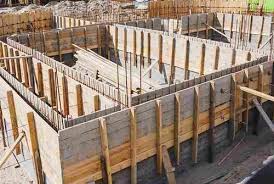
Reinforcement bars are tied according to precise engineering drawings. Formwork is built to hold wet concrete until it hardens. The concrete must be mixed carefully, vibrated to remove air pockets, and cured for several days. Any mistake such as poor vibration or insufficient curing can weaken the slab, cause cracks, or reduce the lifespan of the home.

This stage requires careful coordination because every element supports another. A strong frame ensures stability even under heavy loads, earthquakes, or strong winds.


5. Brickwork and Walls: Giving the House Its Shape

Once the structural frame is ready, walls are built using bricks, concrete blocks, or other materials. Walls do more than divide rooms. They also provide insulation, sound control, and aesthetic character. Engineers ensure that walls align perfectly with the frame to avoid cracks.

Mortar mix, joint thickness, and curing all influence wall strength. Poor workmanship can lead to misalignment, hollow joints, or weak bonding. Windows and door frames are inserted at this stage, and lintels are cast to distribute loads around openings.

A house begins to look familiar at this point because internal spaces finally form their identity.


6. Roofing: Protecting the Home From Nature

The roof is more than a cover. It is the home’s first shield against heat, rain, wind, and storms. Roofing options vary widely, from reinforced concrete slabs to sloping tile roofs or metal sheets. In high-rainfall areas, sloped roofs are preferred for faster water runoff. In hot climates, insulated concrete roofs help reduce indoor temperatures.

Waterproofing is critical. Engineers apply coatings, membranes, or chemical solutions to prevent leaks and seepage. Even a single gap can cause water to penetrate the slab, leading to mold and structural issues. A well-designed roof ensures long-term durability and comfort across all seasons.


7. Finishes, Plumbing, and Electrical Work: Making the House Livable

Once the main structure and roof are complete, attention shifts to making the home functional. Plumbing lines for water supply and drainage are installed. Electrical conduits, wiring, switchboards, and circuit breakers are placed with safety and efficiency in mind. Good engineering ensures that circuits do not overload, wiring is properly insulated, and water lines do not leak behind walls.

Internal finishes create the home’s aesthetic feel. This includes plastering, flooring, painting, tiling, carpentry, and fixture installation. These steps transform a raw structure into a comfortable living space, bringing personality and warmth to the home.


Conclusion: A House Is Built Long Before It Looks Like One

A house is far more than the materials you see. It is a careful combination of science, engineering, craftsmanship, and time. From the soil beneath your feet to the final layer on the roof, dozens of professionals contribute to creating a safe, stable, and beautiful home. Understanding this journey gives every homeowner a deeper respect for the complexity of construction and the importance of each step along the way.

A home is not built in a day. It is built in layers, with precision and care, from the ground up.

Why Cracks Appear in Concrete and How to Prevent Them

Why Cracks Appear in Concrete and How to Prevent Them

Understanding the science behind concrete cracks — and how engineers keep structures durable.


Introduction: Cracks Aren’t Random — They’re Warnings

Every engineer has faced the same moment during site inspection: walking across a newly cast slab or beam and noticing a thin line cutting across the surface. It looks harmless at first, almost like a scratch. But cracks are never just cracks. They are messages from the material telling you something went wrong — either during mixing, curing, loading, temperature change, or long-term wear.

Concrete is strong in compression but naturally weak in tension. This creates predictable failure patterns when any part of the process is rushed, ignored, or done without proper control. Yet the truth is that almost all cracks can be prevented when engineers understand the deeper mechanisms behind them. Cracks are not inevitable. They are preventable engineering problems with solutions at every stage of construction.

In this blog, we explore why cracks truly form, the science behind them, real-world examples, and how you can prevent them in practice.


1. Plastic Shrinkage Cracks: When Concrete Loses Water Too Fast

Plastic shrinkage cracks occur when concrete is still fresh, usually within the first few hours after pouring. At this stage, cement hydration hasn’t fully developed, and the surface remains vulnerable. If the top layer loses moisture faster than the rest — because of wind, sunlight, high temperature, or inadequate curing — the surface contracts and tears itself apart.

These cracks often appear as random, shallow lines on slabs, pavements, or exposed surfaces. They might look cosmetic, but they weaken the protective layer that prevents corrosion. A real example is seen in mass-housing slabs cast in hot climates, where workers skip curing for even one hour. Within minutes, the top layer becomes brittle and starts cracking, even if the mix ratio was correct.

To prevent plastic shrinkage cracks, engineers must ensure adequate curing, windbreaks, proper surface finishing, and controlled evaporation. The simplest prevention technique — early water curing — can save thousands of rupees in repairs later.


2. Settlement Cracks: When Concrete Drops Before It Hardens

Settlement cracks happen when concrete sinks or settles unevenly around reinforcements or formwork. Concrete contains water, aggregates, cement, and admixtures. As the heavier particles settle, the lighter water moves upward. If this movement is restricted by bars, formwork joints, or sudden depth changes, cracks form at these points.

A common example is the vertical cracking you see near rebar in columns or beams. This usually means the mix was too wet, compaction was insufficient, or vibration was performed incorrectly. In many real site failures, over-vibration pushes aggregates to the bottom, leaving a weak upper layer prone to cracking.

Preventing settlement cracks involves a balanced mix design, correct vibration technique, and ensuring concrete has enough cohesiveness to resist segregation.


3. Thermal Cracks: When Heat and Cold Fight Inside Concrete

Concrete heats up internally during hydration. In large pours like footings, retaining walls, or thick slabs, the core heats up while the surface remains relatively cool, especially at night. This temperature difference creates tensile forces that the young concrete cannot withstand, leading to deep, dangerous cracks.

Thermal cracks are especially common in mass concrete structures such as dams, industrial rafts, and mat foundations. The famous example is early cracking in Hoover Dam blocks, which forced engineers to embed cooling pipes to dissipate heat. Today, similar methods using chilled water, staged pours, insulation blankets, and low-heat cement help prevent thermal cracking in modern construction.


4. Drying Shrinkage Cracks: The Most Common Type of All

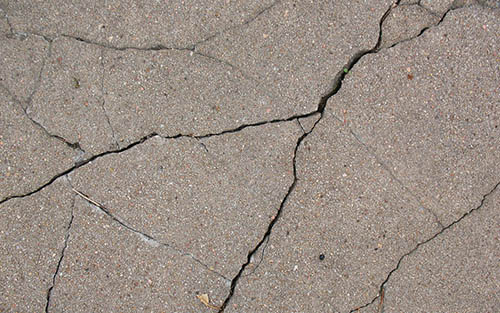
Even fully hardened concrete shrinks over time as it loses moisture to the environment. If the structural elements restrain this shrinkage — such as walls connected to slabs or beams tied to columns — tensile stresses develop, leading to long shrinkage cracks. These often appear diagonally or in long straight patterns.

In residential buildings, you often see these cracks above doors and windows. They are not always structural failures, but signs that shrinkage was not accounted for. Engineers prevent this by using proper reinforcement distribution, expansion joints, adequate curing duration, and a  correct water-cement ratio.

Long-term shrinkage control is one of the most important factors in durable buildings.


5. Structural Cracks: When Loads Exceed Capacity

Structural cracks are the most dangerous type. They occur when the element cannot carry the applied loads — either because it was designed incorrectly, constructed poorly, or overloaded during use. These cracks usually follow clear patterns such as diagonal shear cracks, vertical flexural cracks, or splitting near columns.

Real case examples include parking garages collapsing due to insufficient reinforcement spacing or beams cracking because contractors removed formwork before concrete reached full strength. These failures show how structural cracks are often warnings of deeper design or construction errors.

Preventing structural cracking requires proper load calculations, correct rebar placement, high-quality supervision, and strict curing schedules. Structural cracks are preventable through engineering diligence.


6. Corrosion-Induced Cracks: When Steel Expands Inside Concrete

Steel reinforcement corrodes when moisture and oxygen reach it. Rust occupies more volume than steel, causing internal pressure that cracks and eventually spalls the surrounding concrete. These cracks are typically long, parallel to reinforcement, and accompanied by rust stains.

This often occurs in coastal structures exposed to saltwater, buildings with poor cover thickness, or structures where waterproofing has failed. Marine bridges, balconies, and old housing societies frequently suffer from corrosion cracks.

Preventing corrosion involves ensuring adequate cover, using waterproofing membranes, applying protective coatings, and designing proper drainage paths.


7. Preventing Cracks: A Complete Engineer’s Checklist

Preventing cracks is not one step — it is a series of decisions made across the entire lifecycle of a project. Engineers prevent cracks through:
• Proper mix design with controlled water-cement ratio
• Correct placement and vibration techniques
• Adequate curing to avoid early shrinkage
• Temperature control in mass concrete
• Expansion joints for shrinkage
• Adequate reinforcement layout
• Quality control of materials
• Routine inspections throughout construction

When these steps are followed consistently, most concrete cracks never appear.


Conclusion: Cracks Tell Stories — Engineers Must Listen

Every crack in concrete is a clue. It could be a sign of poor curing, overheating, improper vibration, wrong mix proportions, or structural distress. By understanding why cracks form, engineers can design better buildings, supervise construction more effectively, and extend the lifespan of structures for decades. Preventing cracks is not just about aesthetics. It is about safety, durability, and engineering excellence.

Plane Surveying: Basics, Techniques, and Real Applications

Understanding Plane Surveying and Its Techniques

How surveyors measure the world with precision, one line at a time.


Introduction: The Simple Technique Behind Every Structure You See

Every building, road, dam, and bridge you’ve ever seen began long before construction. It began with measurements. Before the first excavator touches the ground, surveyors quietly map the land, trace boundaries, calculate angles, and create the physical truth that engineers depend on. Without accurate surveying, construction would be guesswork. You can design the strongest structure, but if it’s positioned even a few centimeters off, the entire project can fail.

Plane surveying is the simplest and most widely used form of surveying, yet it is also the foundation of everything built on Earth. It is the science of measuring distances and angles on the assumption that the Earth is flat over small areas. This assumption, although technically untrue, works perfectly for most construction projects. Understanding plane surveying means understanding how modern infrastructure begins.


1. What Is Plane Surveying and Why Do Engineers Use It

Plane surveying assumes that the Earth’s surface is a flat plane, and all measurements are taken as if there is no curvature. This works because the curvature is negligible for distances below a few kilometers. When constructing buildings, laying out roads inside cities, designing drainage systems, or staking boundaries of small properties, plane surveying provides accuracy without complexity.

Surveyors focus on measuring horizontal distances, vertical differences in elevation, and angles between lines. These measurements are translated into maps, layouts, and construction drawings. Engineers depend on this data to position foundations, align columns, determine road gradients, and define locations of utilities. Without plane surveying, projects would lack the precise guidance needed to build safely and efficiently.


2. Chain Surveying: The Oldest and Most Fundamental Technique

Chain surveying is one of the oldest methods in civil engineering, often used for small, simple plots where details are limited. The process involves stretching a chain or tape between two points to physically measure distance. Although it seems primitive compared to modern tools, the technique is still useful because of its reliability and simplicity.

Surveyors break land into triangles, measure the sides, and compute angles. This creates accurate maps for small areas like gardens, fields, small residential plots, and property boundaries. The strength of chain surveying lies in its directness. When the ground is level and obstacles are few, a chain can be more dependable than technology that requires calibration or power sources.


3. Compass Surveying: Adding Direction to Distance

While chain surveying measures distances, compass surveying introduces direction. A magnetic compass helps determine bearings between points, allowing surveyors to map large areas with interconnected lines. This is used when land contains many details, irregular boundaries, or when working around obstacles such as trees or small buildings.

Because magnetic north changes and can be affected by metal objects, surveyors must constantly adjust for declination. The technique still remains essential in forestry, rural land measurement, and initial exploration surveys where speed matters more than precision. Compass surveying teaches future engineers one important lesson: distance without direction is incomplete.


4. Levelling: Understanding Height, Elevation, and the Shape of Land

Elevation determines everything in construction. Water flows downhill, foundations must be placed at correct depths, and roads need smooth gradients. Levelling is the technique used to determine height differences between points. Surveyors use optical levels, staff rods, and benchmarks to calculate how the land rises and falls.

A typical levelling operation begins at a known benchmark, then backsights and foresights are taken to compute the relative elevation of new points. These measurements control drainage design, building plinth heights, sewage slopes, dam construction, and canal alignment. Accurate levelling ensures that water moves exactly where engineers intend it to.


5. Theodolite Surveying: Precision in Angles and Alignment

When projects demand higher accuracy, surveyors use a theodolite. This instrument measures horizontal and vertical angles with great precision. Theodolite surveying is essential for setting out building corners, aligning long straight roads, constructing bridges, and transferring levels to higher floors during high-rise construction.

The process begins by placing the theodolite over a known point, leveling it carefully, and sighting a target. By measuring angles, surveyors can calculate distances using trigonometry, ensuring accuracy even when direct measurement is impossible. Theodolites are a bridge between traditional methods and modern total stations.


6. Modern Total Station Surveying: The Evolution of All Techniques

Today, most plane surveying relies on total stations. These electronic instruments integrate distance measurement, angle calculation, and data recording into a single device. A laser measures distances in seconds, while onboard software computes coordinates instantly. This improves accuracy, speed, and eliminates human error.

Total stations allow surveyors to map entire sites, locate points with centimeter precision, and transfer data directly into CAD or BIM software. Whether setting out foundations for a high-rise or marking road alignments across a construction corridor, total stations make surveying faster and more reliable than ever.


Conclusion: Surveying Is the First Step Toward Every Successful Project

Plane surveying may appear simple, but it is the backbone of civil engineering. Every structure, no matter how complex, begins with the measurements collected by surveyors. Understanding its techniques reveals how precision, patience, and mathematics come together to shape the world we build. As technology continues to evolve, surveying grows more efficient, but the principles remain timeless. Accurate measurements will always be the first step toward safe and successful construction.

Safety in Construction: How Engineers Keep Workers and Sites Secure

Safety in Construction: How Engineers Keep Workers and Sites Secure

The engineering behind safe work sites is more advanced than most people realize.


Construction safety doesn’t come from helmets and harnesses. It comes from engineering decisions made long before a worker steps on-site.


The Real Foundation of a Safe Construction Site Isn’t Concrete. It’s Engineering.

Most people imagine construction safety as something that happens on the surface, like the gear workers wear or the warning signs placed around the site. But the truth is far deeper. Safety begins during planning, at a time when the building doesn’t even exist. Engineers spend weeks understanding soil behavior, mapping hazards, planning access routes, predicting stresses on temporary structures, and designing a workflow where workers can move confidently without facing avoidable risks. This early-phase engineering is where most accidents are silently prevented without anyone ever realizing something was avoided.

A construction site is not inherently dangerous. It becomes dangerous when risks are underestimated or left unmanaged. Engineers eliminate these risks by turning a chaotic environment into a controlled system where every movement, material, and machine follows a predictable pattern. When the planning is precise, workers experience fewer surprises, and safety becomes something built into the structure, not something added on later.


Engineering Out Hazards Before They Happen

A major part of construction safety lies in predicting how things might fail. Engineers analyze every stage of construction the same way structural engineers analyze how buildings behave after completion. Temporary supports carry enormous loads during construction, soil reacts differently under heavy rainfall, and cranes have specific safe turning zones that must never be crossed. Each of these scenarios can turn dangerous if not carefully studied. Engineers use their understanding of structural mechanics, geotechnical behavior, and material properties to reduce the chances of failure during construction itself.

There is a science to anticipating mistakes, and this science is what keeps workers safe. For example, if soil expands due to moisture, foundations can shift. If concrete is loaded too early, slabs can crack or collapse. If scaffolding is built without confirming bracing stability, it becomes a hazard every time a worker climbs it. This entire layer of safety exists before any worker begins their daily tasks, and it comes from the calculations, modeling, and planning done by engineers who understand what can go wrong long before it does.


Smart Design and Worker-Friendly Planning

Designing safe structures is not only about preventing collapse. It is about designing with workers in mind. Engineers and architects work together to reduce unnecessary height work, create safe access routes, and simplify layouts so workers can perform tasks with fewer risks. When a design requires fewer complex operations, safety automatically increases. For example, grouping services in accessible shafts reduces the need for workers to enter tight, risky spaces. Ensuring beams and slabs are arranged logically minimizes awkward rebar placements, which are common causes of minor site injuries.

Good design makes construction safer not by adding more protective measures but by eliminating the need for dangerous tasks in the first place. When layout, structural components, and temporary works align well, workers move confidently, and supervisors spend less time resolving conflicts on the ground. Safety becomes a natural outcome of smart planning rather than an afterthought.


Safety Systems That Protect Workers in Real Time

Even the best planning cannot remove every risk. This is where physical protection systems come in. Engineers design scaffolding with proper load distribution, specify guardrails where falls may occur, and determine how anchor points for harnesses must be placed. Each of these details comes from precise calculations, load tests, and industry standards designed to make sure equipment performs exactly when workers need it.

Construction relies heavily on temporary structures like formwork, scaffoldings, shoring, and bracing. These elements may not be visible once the building is complete, but they often carry more load during construction than the finished structure ever will. Engineers inspect and approve these temporary systems frequently because the consequences of failure can be catastrophic. A safe temporary system is one of the strongest indicators that a project is being handled responsibly.


Human Factors: The Most Unpredictable Part of Safety

Even with perfect engineering and advanced systems, human behavior remains a major factor in construction safety. Workers come from different skill levels, backgrounds, and training environments. Engineers and safety officers conduct daily briefings, simplify instructions, provide demonstrations of equipment use, and ensure that communication remains consistent across teams. The goal is not to police behavior but to create a culture where workers understand risks clearly and make safe decisions naturally.

One of the biggest challenges in construction is that workers often underestimate risks because they perform similar tasks every day. Good safety engineering addresses this by designing an environment where the safest choice is also the easiest choice. Simple decisions, like placing tools where workers do not have to climb unnecessarily or organizing pathways so materials never block exits, can prevent dozens of accidents over the course of a project.


Inspections, Monitoring, and Predictive Safety

Construction changes daily, and this dynamic nature means risks evolve constantly. Engineers monitor formwork systems during concrete curing, ensure cranes stay within safe operating zones, check weather impacts on the site, and inspect electrical installations for overload risks. They verify scaffolding connections, examine shoring arrangements, and test materials regularly to ensure everything remains stable under real site conditions.

Modern technology has elevated this process further. Drones monitor large sites, offering a bird’s-eye view that reveals unsafe areas that workers may overlook. Sensors inside concrete blocks track temperature and curing quality, ensuring slabs can support loads at the right time. Engineers combine human experience with digital tools to catch potential hazards early, allowing corrections before accidents occur. Safety becomes a continuous process rather than a one-time inspection.


Conclusion: Engineering Makes Construction Safe, Not Luck

Construction is one of the most challenging and dynamic industries in the world. Yet most accidents, big or small, are preventable when engineering principles are followed consistently. Every safe site is the product of thoughtful design, hazard prediction, real-time monitoring, protective systems, and a culture that values workers’ lives above deadlines.

When engineers plan with care, contractors respect the process, and workers stay aware, safety becomes the strongest foundation of any project. The buildings may stand tall, but it is the unseen engineering decisions that truly hold everything together.

Different Fields Involved In Construction

Different Fields Involved in Construction

Understanding the experts behind every building, bridge, and home.


Introduction: The Hidden World Behind a “Simple Building”

When most people look at a finished building, they see walls, windows, paint, and maybe a few workers. What they do not see is the immense coordination happening long before the first brick is laid. Even a small two-bedroom home needs the combined efforts of planners, designers, engineers, surveyors, safety experts, managers, and dozens of specialists who ensure every part of the structure performs exactly as it should.

Construction is not a single profession. It is a network of different fields that must work together with precision. If one field fails, everything else is affected. A structure is only as strong as the teamwork behind it. In this blog, we will explore the main fields involved in construction and understand why each one is essential for creating safe, functional, and long-lasting buildings.


1. Architecture

Architecture is usually the starting point of any construction project. An architect shapes the vision of the structure. They imagine how the building should look, how people will move inside it, and how each space will function. A well-designed architectural plan makes life inside a building smooth, comfortable, and visually appealing.

For example, when designing a home in a flood-prone area, an architect must consider factors like elevated plinth levels, natural ventilation, escape routes, and daylight planning. Architecture is not only an artistic profession. It is the art of designing spaces that make life easier and safer. A beautiful building always begins with thoughtful architectural planning.


2. Civil Engineering

Civil engineers take the architect’s ideas and convert them into structures that can safely exist in the real world. They focus on strength, stability, and long-term durability. Their work includes designing foundations, checking soil conditions, analyzing load paths, planning the drainage system, and ensuring that the building follows safety codes.

A civil engineer asks questions like: Will the soil handle this load. How will the building behave during heavy rain. What happens if an earthquake occurs. Their calculations and decisions protect the building and the people who live in it. Without civil engineering, even the most beautiful design might not survive the forces of nature.


3. Structural Engineering

Structural engineering is a specialized branch of civil engineering. These engineers focus entirely on the strength and stability of the load-bearing elements. They design beams, columns, slabs, retaining structures, and the reinforcement that holds everything together.

Imagine a multi-story building. The structural engineer determines exactly how thick each slab should be, what diameter of steel bars to use, and how much load each column should carry. They consider wind pressure, seismic movement, and even the impact of occupancy. Their work ensures that buildings remain safe not only on normal days but also during extreme conditions.


4. Geotechnical Engineering

The quality and behavior of soil determine the safety of the entire structure. Geotechnical engineers study the earth beneath the building. They perform soil tests, identify its bearing capacity, check groundwater levels, and recommend the right kind of foundation.

A building constructed on weak soil without a geotechnical study is a recipe for future failure. For example, coastal areas often have loose soil that requires special foundation systems. Geotechnical engineers help engineers understand what lies below the surface so the structure above it can remain strong.


5. Construction Management

Construction management is the heart of execution. A construction manager ensures that the project is completed on time, within budget, and with proper quality control. They plan the schedule, coordinate subcontractors, monitor daily progress, and handle on-site challenges.

If materials arrive late, if weather causes delays, or if a safety issue occurs, the construction manager must respond immediately. Their role is dynamic and demanding. A well-managed construction site runs smoothly even when unexpected challenges occur.


6. Quantity Surveying

Quantity surveyors handle the financial side of construction. They prepare cost estimates, break down quantities of materials, create bills of quantities, and track the project budget from beginning to end.

A quantity surveyor helps answer important questions such as how many bricks are needed, how much concrete is required, and whether the project is exceeding its budget. Their calculations help prevent financial losses and keep the project economically healthy. In many real-life projects, a good quantity surveyor can save lakhs by identifying overspending or material wastage early.


7. Surveying

Surveyors measure land accurately and transfer the building coordinates to the field. Using tools like Total Stations and GPS systems, they ensure that the building is constructed exactly where it is planned. Without surveying, buildings might be misaligned, tilted, or built outside property boundaries.

Accurate surveying is especially important for roads, bridges, large housing colonies, and high-rise buildings. A few millimeters of error at the ground level can become a major problem at higher floors. Surveyors ensure accuracy from the very beginning.


8. Mechanical, Electrical and Plumbing Engineering

MEP engineers design the systems that make a building functional and livable. This includes electrical wiring, lighting, power distribution, HVAC systems, water supply, drainage, and fire-fighting systems. A building may have an excellent structure, but without proper MEP design, it will not be comfortable or even safe to use.

For example, improper drainage design can cause foul smell issues, and poor electrical design can lead to overloads or fire hazards. MEP engineering brings modern living comforts into every building.


9. Environmental Engineering

Environmental engineers focus on sustainability and minimizing the environmental impact of construction. They design waste management systems, water treatment solutions, pollution control methods, and eco-friendly strategies for sites.

As cities grow, environmental concerns become more important. These engineers help ensure that construction does not harm local ecosystems. They are also involved in green building certifications and sustainable material selection.


10. Urban Planning

Urban planners look at the bigger picture. Instead of focusing on a single building, they plan entire communities, transportation networks, zoning regulations, and land-use patterns. Their work helps prevent overcrowding, improves mobility, and ensures that developments fit well within the city.

A building may be well designed, but if it does not fit the requirements of the surrounding area, it creates urban problems. Urban planners ensure harmony between structures, people, and the city.


11. Interior Design

Interior designers shape the experience inside a building. They choose materials, lighting, layout, textures, colors, and furniture arrangements that create a comfortable and functional environment. Their work makes spaces feel inviting and efficient.

While architecture shapes the outer shell, interior design influences how people feel inside the building every day. Good interior design improves comfort, mood, and usability.


12. Safety Engineering

Construction is a high-risk industry. Safety engineers identify hazards, create safety procedures, train workers, inspect equipment, and ensure compliance with safety regulations. Their work protects workers from accidents and prevents costly site shutdowns.

Every construction site involves risks such as height, machinery, electricity, and heavy loads. Safety engineering ensures that work continues smoothly and responsibly.


13. Procurement and Supply Chain

Every construction project depends on timely material delivery. Procurement teams source materials, negotiate with suppliers, arrange logistics, and track deliveries. Even a single day of delay in material arrival can slow down the entire project.

They ensure that the construction site never stops due to material shortages and that the materials meet quality standards.


14. Legal and Contract Management

Legal professionals handle approvals, contracts, permits, and dispute resolution. Construction involves many legal steps, including environmental clearance, land approval, inspections, and building code compliance.

Contract managers ensure that agreements between clients, contractors, and suppliers are clear and fair. Their work prevents conflicts and protects everyone involved.


Conclusion

Construction is far more than laying bricks or pouring concrete. It is a complex collaboration of designers, engineers, planners, managers, legal experts, safety professionals, and financial specialists who each bring their own expertise to a project. Understanding these fields helps you appreciate the enormous effort that goes into every structure. When all these disciplines work together, the final result is a strong, safe, and efficient building that serves people for generations.