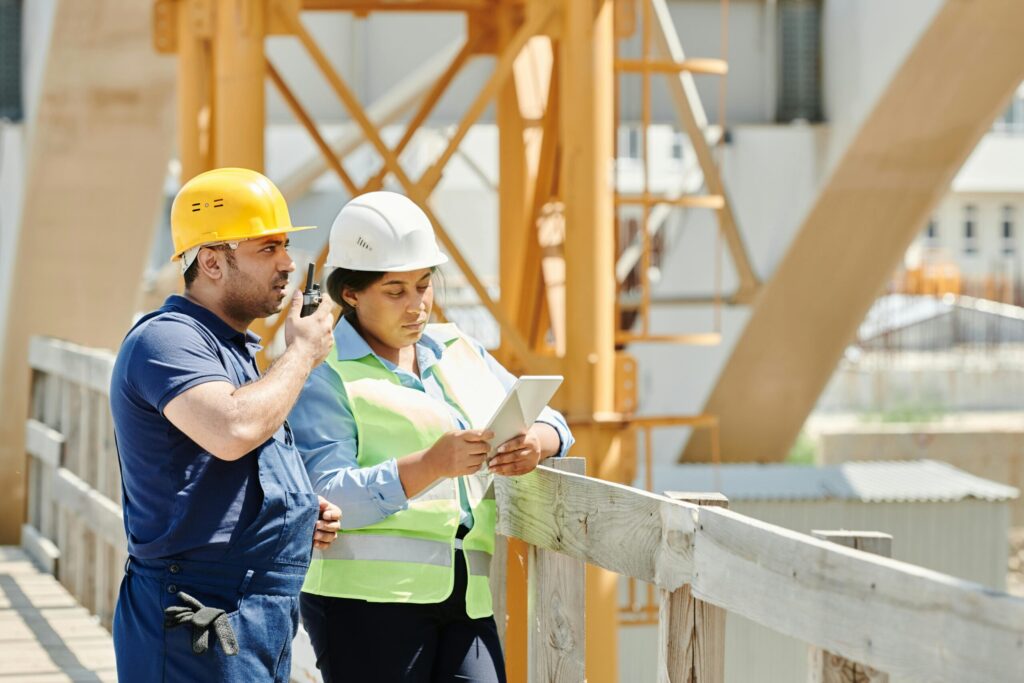
Who builds your house – Ft. Site Engineers

Who Really Builds Your House? Ft. Site Engineers: The Ground-Level Problem Solvers

The People Who Turn the Plan Into Reality

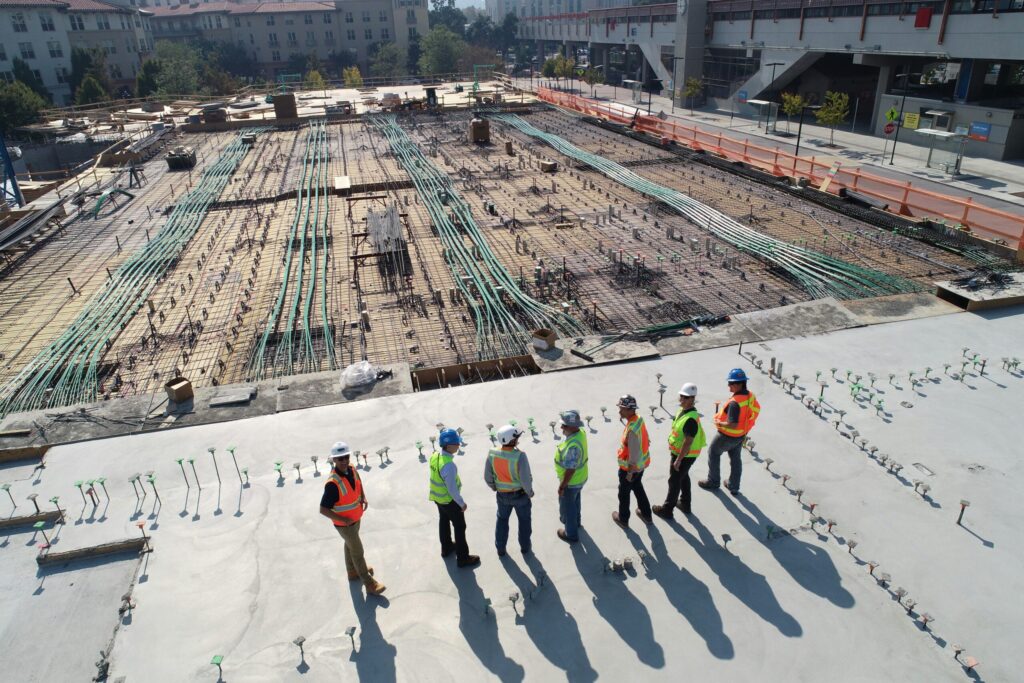
Every home begins with a drawing. But a drawing means nothing unless someone transforms it into a structure that can stand safely for decades. Site engineers are the people who make that transformation possible. They are not sitting in design studios or conference rooms. They are on the ground every day, walking through dust, noise, concrete, rebar, and the organized chaos of construction. They are the first to arrive, often the last to leave, and every action on-site depends on the decisions they make.

Site engineers are the quiet backbone of construction. Without them, even a perfectly designed house would struggle to become more than a blueprint.


1. The Daily Reality of a Site Engineer

A typical day for a site engineer begins before the labourers arrive. They examine the previous day’s progress, check formwork, test concrete quality, verify measurements, and inspect safety conditions. A single misalignment or wrong measurement can delay the project or compromise the structure. That responsibility rests on their shoulders.

Site engineers constantly move between supervising workers, coordinating with contractors, and ensuring that materials arrive on time. They carry measuring tapes, laser levels, drawings, and checklists. More importantly, they carry accountability. If a beam is uneven, if reinforcement is placed incorrectly, or if concrete is poured at the wrong slump, the site engineer is the person everyone looks to for answers.

Their work is fast, stressful, and filled with decisions that must be made within minutes. But without this pressure, no construction site can function.


2. Ensuring the House Is Built EXACTLY as Designed

While architects create the drawings, site engineers make sure those drawings are followed perfectly. They check the dimensions of foundations, verify reinforcement placement, ensure proper curing of concrete, and manage every technical detail that affects the structure’s strength.

For example, if the soil is softer in one corner of the plot, the site engineer identifies it early and adjusts the foundation depth. If rain threatens a concrete pour, they decide whether to postpone or protect the site. If reinforcement does not match the drawing, they stop the work immediately.

These decisions are not small. A tiny mistake can affect the entire house for decades. Site engineers act as the guardians of quality and precision.


3. Quality Control: The Most Important Responsibility

Every material used in a house passes through the site engineer’s hands. Bricks are checked for cracks. Sand is checked for excessive clay. Cement bags are inspected for lumps. Concrete is tested for slump and strength. Steel bars are checked for diameter, rust, and grade.

A site engineer must understand materials deeply. They know when concrete feels “right”, when formwork is unsafe, and when the curing process needs more attention. They track the strength of concrete cubes sent to the lab. They ensure waterproofing layers are applied correctly and that the roof slopes properly towards the drain.

Quality control is not just a task for them. It is a mindset.


4. Leading the Team on the Ground

A site engineer interacts directly with the labourers, masons, carpenters, electricians, plumbers, and subcontractors. They translate technical instructions into simple, clear actions. A good engineer knows that communication is just as important as technical knowledge.

When workers misunderstand instructions, the engineer guides them patiently. When problems arise, the engineer solves them quickly. When the team is confused, the engineer explains with clarity and confidence.

A construction site without leadership is chaotic. A site engineer brings order, direction, and focus.


5. Solving Problems Nobody Prepared Them For

A design drawing cannot predict everything that will happen on-site. Unexpected issues appear almost daily. Soil may behave differently than expected. A column may clash with plumbing routes. Concrete may arrive late or at the wrong slump. A rainstorm may ruin formwork.

Site engineers are trained to think fast. They find practical solutions without compromising safety or structural integrity. They consult drawings, call consultants if needed, and make judgments based on their experience.

This adaptability is what makes them indispensable.


6. Safety Starts With the Site Engineer

The safety of every person on the site is influenced by the decisions of the site engineer. They check scaffolding, ensure that workers have protective gear, and verify that trenches are properly supported. They stop unsafe work immediately. They walk the site with an eye for hazards that inexperienced workers may not notice.

A safe site is not an accident. It is a result of the engineer’s vigilance.


Conclusion: The Unseen Force Behind Every Strong House

When people admire a finished home, they see the paint, the tiles, the lights, and the aesthetic beauty. But hidden behind all of that are the calculations, the measurements, the inspections, and the hundreds of daily decisions made by the site engineer. They ensure your house stands straight, stays strong, and remains safe.

Site engineers are the real-time, real-world executors of design. Without them, a house would never rise beyond paper.

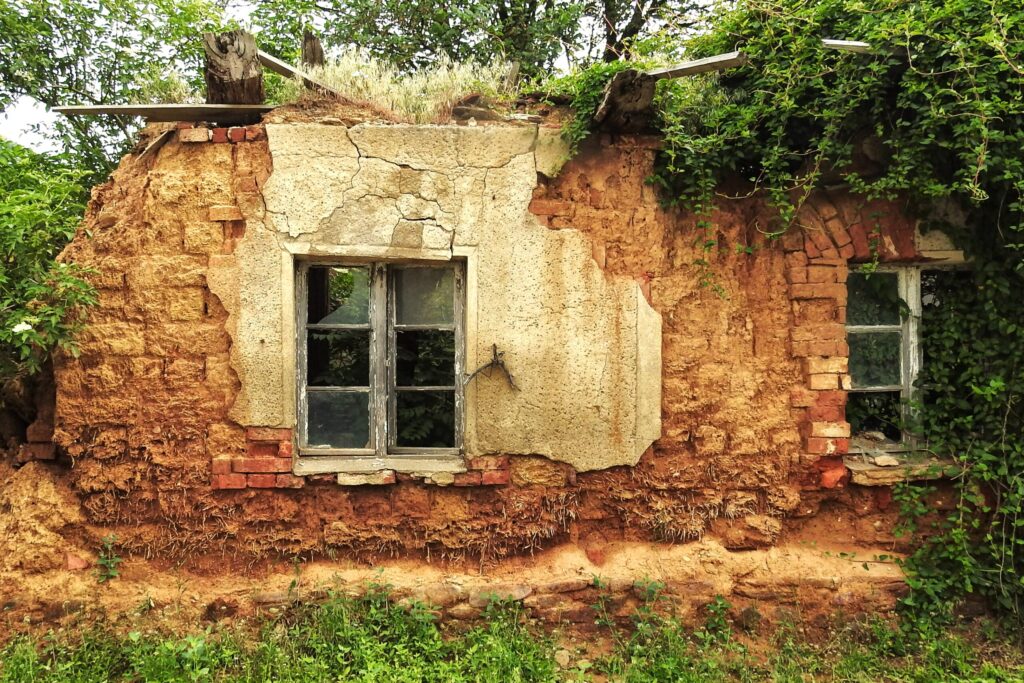
The People Who Build Your Home: Ft. The Labourers

The People Who Build Your Home: Part 1 — The Labourers Who Turn Blueprints Into Reality

The Real Builders We Rarely Talk About

Walk past any construction site and you will see them long before you see the steel, cement, or machinery. They arrive before sunrise, carrying tools that seem too small for the giant tasks ahead. They lift, bend, tie, mix, and shape every part of the building you will one day call home. Yet most people never stop to ask who they are or what they do. Your house begins with labourers. Without them, no blueprint becomes a real structure.


1. The Backbone of Construction: Who Are Labourers Really?

Labourers are often seen as the “muscle” of a project, but that description barely scratches the surface of their contribution. These are individuals who perform some of the most demanding and technically precise tasks on site. They bring physical strength, experience, and a deep understanding of how materials behave in real conditions. Even the most advanced technologies in construction cannot replace their intuition, coordination, and skill.

Many of them have years of experience working with concrete, rebar, bricks, scaffolding, or heavy loads. They understand how much water a mix needs just by touch. They can sense whether reinforcement is tied tight enough by sound alone. Their knowledge is not written in textbooks. It is passed through hands, through observation, through years under the sun and monsoon rains.


2. What Labourers Actually Do: The Work That Builds the House

Labourers participate in almost every stage of construction. They help excavate the ground, level the site, set up scaffolding, handle materials, tie reinforcement bars, guide concrete pours, cure structural elements, and support finishing works. Every single component of the house depends on their accuracy.

When concrete is poured, a labourer ensures it reaches every corner of the formwork. When rebar is tied, they secure it with perfect tension so the structure remains strong. When bricks are laid, they maintain the bond pattern and alignment that keeps walls stable for decades. These jobs require judgment and physical coordination that come only from experience. They make sure the site runs smoothly, even when deadlines are tight or conditions are challenging.


3. Skill, Grit, and Precision: Why Their Work Is Irreplaceable

Construction labour is often misunderstood as unskilled work, but that could not be further from the truth. Many labourers possess remarkable mastery over tools, scaffolding balance, material mixing, load handling, and site safety. They make real-time decisions under pressure, especially when handling fresh concrete, moving materials during limited windows of workability, or operating in tight spaces.

Most importantly, their work requires reliability. A wrongly mixed batch of concrete, a poorly tied rebar node, or a misaligned brick can compromise an entire structure. The precision they achieve under intense physical strain is what keeps buildings safe and durable. Technology can assist, but it cannot match human adaptability on unpredictable construction sites.


4. The Human Side of the Construction Workforce

Behind the helmets and gloves are stories of families, aspirations, and sacrifices. Many labourers migrate long distances, leaving home for months just to earn enough to support their families. They work in extreme weather, often without the recognition they deserve. Their days are long, physically exhausting, and full of responsibility.

Yet there is pride in their craftsmanship. A labourer can point to a building years later and say, “I helped build that.” They carry construction in their muscles, in their memories, in every callus on their hands. Your home stands because of their persistence.


5. Why We Must Acknowledge Their Role in Construction

Labourers are essential to the construction ecosystem. They bridge the gap between design and reality. They convert raw materials into walls and foundations. They ensure structures stand firm against rain, wind, and time. Recognizing their contribution is not charity. It is honesty.

A building is only as strong as the people who build it. No matter how advanced civil engineering becomes, the industry will always depend on skilled labourers who bring human insight and hard work to every corner of a construction site. Respect for their work is the first step toward valuing construction more truthfully.


Conclusion: Every Home Starts With Them

Every house begins with labourers. Their hands shape the materials, their effort builds the skeleton, and their dedication ensures that what you call home is safe and long-lasting. This is not just physical work. It is foundational work. They are the first chapter in the story of how a home is created.

Building for the Planet: How Civil Engineers Can Fight Climate Change

Building for the Planet: How Civil Engineers Can Fight Climate Change


Climate change is not a future problem. It is engineering’s biggest challenge right now. Every flood, every collapsing road, every drought-hit city is a reminder that the world depends on civil engineers far more than it realizes.


Introduction: Engineering in a Warming World

The climate is shifting faster than our cities, roads, bridges, and water systems were ever designed to handle. Heatwaves are breaking records. Rainfall patterns are becoming unpredictable. Coastal regions are sinking. Infrastructure built only twenty years ago is already failing under pressures nobody anticipated.

Civil engineering stands at the front line of this crisis. Unlike policy or economics, engineering does not debate climate change — it feels its impact immediately in cracked pavements, flooded streets, and foundations stressed by rising temperatures. Civil engineers are not just responsible for designing structures. They are now responsible for protecting societies from the escalating consequences of environmental collapse.

This raises the question every beginner, policymaker, or developer should ask: How exactly can civil engineers fight climate change?
The answer lies in designing smarter, building greener, adapting faster, and leading the shift toward sustainable infrastructure.


1. Sustainable Materials That Cut Carbon From Day One

Most people don’t realize that traditional construction materials like cement and steel are responsible for a massive portion of global carbon emissions. Cement alone contributes nearly eight percent of global CO₂ output. This means the battle against climate change begins at the material level.

Civil engineers are shifting toward greener alternatives such as geopolymer concrete, fly-ash blended cement, bamboo composites, recycled aggregates, and engineered timber. These materials reduce emissions dramatically while maintaining structural performance. Engineers are now optimizing mix designs to use less cement, incorporating industrial by-products, and experimenting with carbon-absorbing materials.

Climate resilience begins with what we choose to build with.


2. Designing Infrastructure That Survives Extreme Weather

Climate change is not only about temperature rise; it is about stronger storms, heavier rainfall, longer droughts, and more unpredictable patterns. Civil engineers now design infrastructure assuming extremes rather than averages.

Drainage systems must handle sudden cloudbursts. Bridges must withstand higher wind speeds. Buildings in coastal regions need elevated foundations and flood-resistant materials. Roads require heat-resistant asphalt. Water networks must survive prolonged dry seasons followed by intense rainfall.

Civil engineering is becoming adaptive engineering, where each design accounts for the wild swings in nature’s behavior.


3. Smart Cities and Digital Technologies for Energy Efficiency

Modern cities waste enormous amounts of energy because their infrastructure is outdated. Engineers are leading the digital transformation through Building Information Modeling (BIM), IoT sensors, digital twins, and AI-based monitoring.

These systems reduce carbon emissions by optimizing electricity use, planning efficient transportation networks, monitoring pollution levels, and predicting maintenance needs. Smart traffic systems reduce congestion. Smart grids adjust energy distribution. Smart stormwater systems prevent urban flooding.

Digital engineering creates cities that think, respond, and adapt — reducing waste and protecting the environment.


4. Renewable Energy Infrastructure: The Foundation of a Greener Future

Civil engineers design and construct the backbone of renewable energy: wind farms, solar parks, hydropower plants, tidal energy structures, geothermal facilities, and transmission networks.

This requires expertise in foundation design for turbines, structural support for solar arrays, water flow dynamics for hydropower, and environmental impact assessments. Without civil engineering, renewable energy cannot scale.

A climate-friendly future is not possible without massive, well-engineered energy infrastructure.


5. Fighting Water Scarcity Through Smarter Water Management

Climate change is intensifying water crises. Civil engineers are responding with rainwater harvesting systems, advanced treatment plants, aquifer recharge projects, desalination systems, and smart distribution networks.

In urban areas, engineers design permeable pavements, bio-swales, detention basins, and green roofs to prevent flooding while restoring groundwater. Every drop of water must be stored, treated, recycled, or diverted intelligently.

Water engineering is climate engineering.


6. Carbon-Neutral Buildings and Green Architecture

Civil engineers collaborate with architects to create low-carbon buildings that produce more energy than they consume. These structures use natural ventilation, optimal solar orientation, rooftop solar panels, recycled materials, efficient insulation, high-performance glazing, and green façades.

This approach is not just about energy savings. It directly reduces carbon emissions, lowers operating costs, and improves indoor comfort.

Green buildings are becoming the new standard for climate-responsible development.


7. Retrofitting Old Infrastructure Instead of Demolishing It

Demolishing old structures wastes energy, materials, and money — and releases massive CO₂. Retrofitting is now one of the most powerful climate strategies civil engineers use.

Techniques include seismic upgrades, carbon-fiber strengthening, new insulation layers, cool roofs, storm-proofing, and structural rehabilitation. Retrofitting extends the life of infrastructure while preparing it for future climate extremes.

Every building saved is tons of carbon saved.


8. Transportation Engineering: Designing Low-Emission Mobility

Cities choke because vehicles choke the roads. Civil engineers are redesigning mobility by creating transit-oriented cities, bicycle networks, pedestrian zones, and efficient public transport systems.

Better road materials reduce heat absorption. Roundabouts reduce fuel-burning idling. AI-optimized traffic signals cut congestion.

If you reduce transportation emissions, you tackle one of the biggest contributors to global warming.


9. Environmental Impact Studies and Climate-Based Planning

Before a single brick is laid, civil engineers perform environmental impact assessments, soil studies, hydrological analyses, and climate-risk evaluations. These studies determine whether a project is environmentally viable and what modifications will minimize harm.

In many countries, climate-impact assessments are becoming mandatory. Engineers must now predict how a structure will perform in 2050, not just today.

Engineering has officially entered the era of climate foresight.


Conclusion: Civil Engineers Are the Climate Defenders of the Modern World

Climate change is not a theoretical debate inside classrooms. It is a daily engineering challenge playing out in our roads, bridges, water systems, power networks, and urban landscapes. Civil engineers are not just builders. They are protectors — designing smarter cities, sustainable buildings, resilient infrastructure, and material innovations that directly reduce the planet’s carbon burden.

If the world is to survive the next century, it will be because engineers built it to withstand what is coming.

Civil engineering is no longer about construction alone.
It is about survival, adaptation, and responsibility.

The Digital Revolution: Software Tools That Changed Civil Engineering Forever

The Digital Revolution: Software Tools That Changed Civil Engineering Forever

From hand-drawn sketches to intelligent, data-driven infrastructure.


The Shift That Changed Everything

There was a time when civil engineers relied on nothing but drafting boards, hand calculations, and physical site measurements that took days. Today, an engineer can design a complex bridge on a laptop, simulate thousands of load conditions, and generate precise drawings within minutes. The tools have changed, and with them, the entire profession.


Introduction: When Engineering Met Technology

Civil engineering may be one of the oldest professions in the world, but the last two decades have transformed it more than the previous two centuries. What once demanded weeks of manual calculations and revisions can now be completed in hours. Complex structures that were nearly impossible to model can now be analyzed with a level of precision that was unimaginable before.

This digital revolution did not only make work faster. It changed how engineers think, how projects are planned, how risks are assessed, and how infrastructure is maintained. Understanding these tools is not optional anymore. For modern civil engineers, software literacy is as important as technical theory.


Computer-Aided Design: The Death of Manual Drafting

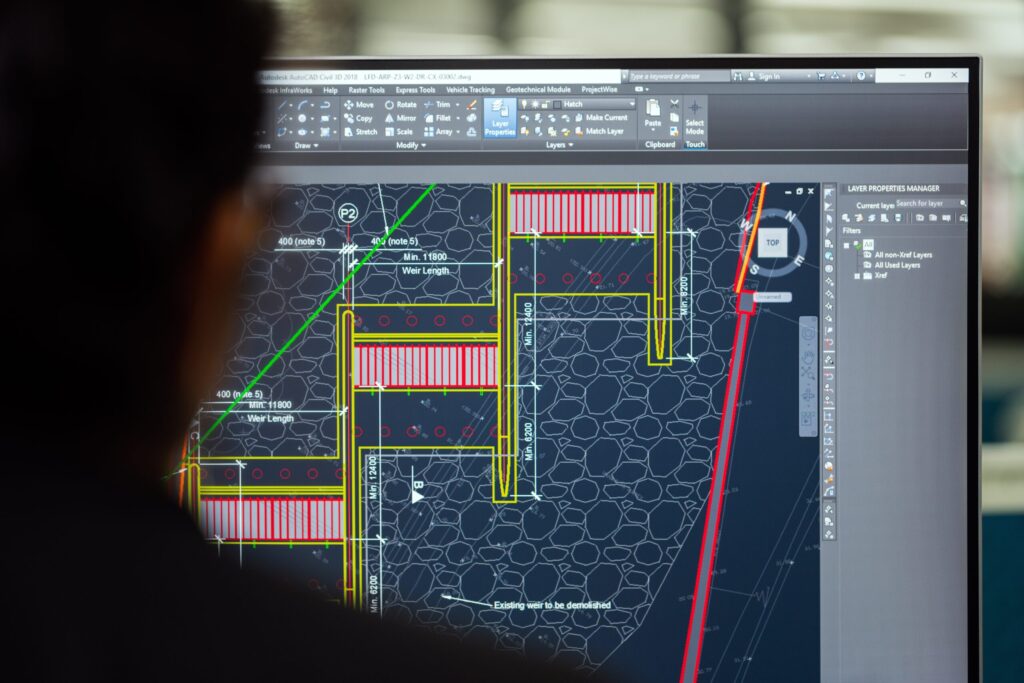
The shift from hand drafting to computer-aided design was the moment everything began to change. Tools like AutoCAD allowed engineers to create precise plans, modify layouts quickly, and share drawings without redrawing entire sheets. The accuracy of digital drafting eliminated many of the errors that used to appear when complex geometries were drawn by hand.

AutoCAD also paved the way for collaborative workflows. Instead of engineers waiting days for physical revisions, multiple specialists could now work on the same set of drawings, improving clarity and reducing delays. This digital foundation opened the door for a new era of design intelligence.


3D Modeling and BIM: Seeing the Future Before It Exists

Building Information Modeling, known as BIM, marked the next major leap. Software like Revit and Navisworks allowed engineers to see a building in three dimensions before a single brick was placed. For the first time, engineers could walk inside a virtual structure, understand how systems interacted, and identify clashes that would have caused expensive rework on site.

BIM also integrated scheduling, quantities, and cost data into the same model. Instead of separate teams working in isolation, architects, structural engineers, MEP designers, and contractors could share a single intelligent model. This created transparency and improved decision-making. The result was better projects delivered with fewer surprises.


Structural Analysis Tools: Designing for Strength and Safety

Before advanced software, structural engineers performed calculations by hand or built physical models to understand load behavior. Today, programs like STAAD Pro, ETABS, SAP2000, and SAFE allow engineers to simulate earthquakes, wind loads, vibration effects, and real-time stress distribution across structural members.

This level of analysis dramatically improves safety and performance. Engineers can optimize reinforcement, reduce unnecessary material usage, and test extreme conditions that would be impossible to evaluate manually. These tools have made structures not just stronger, but more economical and environmentally responsible.


Geotechnical and Environmental Tools: Understanding the Ground Beneath

Civil engineering does not only deal with structures. The behavior of soil and groundwater plays a critical role in stability. Software like GEO5, PLAXIS, and GRLWEAP allow engineers to model slope failures, settlement patterns, foundation behavior, and pile driving responses with high levels of accuracy.

These insights help engineers design safer foundations, prevent soil failures, and predict long-term ground movement. Environmental modeling tools also help simulate flood risks, water movement, and pollution levels, making urban planning more sustainable and resilient.


Project Management Software: Replacing Chaos with Coordination

Large construction projects involve hundreds of workers, materials, schedules, and daily changes. Before digital tools, delays were common because communication was slow and fragmented. Today, tools like MS Project, Primavera P6, and Procore allow engineers to track progress, allocate resources, and respond to issues instantly.

Digital scheduling creates accountability and transparency, while cloud-based coordination ensures that everyone works with the latest information. Modern construction management blends engineering expertise with data intelligence, turning chaos into organized progress.


GIS and Remote Sensing: Viewing the Entire World as a Dataset

Geographic Information Systems transformed how engineers plan cities, design roads, and understand landscapes. Tools like ArcGIS allow engineers to map terrain, assess environmental risks, study population patterns, and plan infrastructure with remarkable accuracy.

Drone technology added another layer to this revolution. Engineers can now capture real-time site data, measure volumes, inspect hard-to-reach areas, and monitor progress with aerial precision. This combination of GIS and remote sensing has created smarter, safer, and more informed project planning.


Automation and AI: The Next Chapter of Engineering

Artificial intelligence is now entering design labs and construction sites. AI algorithms analyze past project data, predict risks, optimize structural designs, and even assist in quality control using image recognition. Automation also drives robotics in surveying, bricklaying, and rebar tying, improving consistency and reducing human fatigue.

This is not about replacing engineers. It is about expanding their capabilities. AI takes over repetitive tasks so engineers can focus on creative problem-solving and advanced reasoning. The future of civil engineering is not just digital. It is intelligent.


Conclusion: The Engineer of Tomorrow Is a Hybrid Mind

The digital revolution has not changed what civil engineering stands for, but it has transformed how engineers bring ideas to life. The tools of today allow engineers to design with clarity, build with confidence, and innovate with precision.

Civil infrastructure will only grow more complex in the coming decades, and the engineers who thrive will be those who embrace technology fully. Software skills are no longer an advantage; they are the language of modern engineering. The profession is evolving, and the digital engineer is at the center of that evolution.

Why Do New Buildings Collapse? Lessons from Structural Failures


How important are civil engineers in today’s world and in the world

How Important Are Civil Engineers in Today’s World — And in the Future?

The world cannot function for even a single day without civil engineering.


Introduction:

Everything you touch, walk on, drink, drive through, live inside, or depend on exists because a civil engineer designed it. You may not see them, but every moment of your life is built on their work.


Civil engineers shape the world so completely that modern society would collapse without them. The smooth road you drive on, the bridge that carries fifty thousand vehicles a day, the clean water flowing from your tap, the hospital your family relies on, the electricity towers standing in storms, and even the drainage system that protects your city during floods are not accidents. They are decisions made by civil engineers working quietly in the background.

Yet most people do not realize how deeply woven civil engineering is into their everyday lives. It is not merely about buildings or roads. It is about enabling human life to function safely, efficiently, sustainably, and at a scale that matches the population of the modern world.

Let’s look at why civil engineers are not just important, but absolutely essential today and even more critical for the future.


Civil Engineers Build the Infrastructure That Runs the World

Take away civil engineers, and the world becomes unlivable almost instantly. They design and build the systems that make cities possible. This includes transportation networks, water supply systems, sewage treatment plants, dams, airports, railways, ports, and public institutions.

Every one of these structures requires years of planning, precise calculations, material understanding, weather modeling, and safety considerations. Without these systems, modern life shuts down. Food cannot reach markets. Clean water cannot reach homes. Hospitals cannot operate. Emergency services cannot respond. Countries cannot grow.

Civil engineering is the backbone of civilization itself.


They Protect People Through Safety, Risk Management, and Structural Integrity

In many ways, civil engineers are silent protectors. They ensure everything built can resist disasters, daily stress, and long-term environmental deterioration. They calculate how structures behave under earthquakes, floods, storms, and heavy loads. They determine how to reinforce foundations, how to stabilize slopes, and how to prevent collapses.

A well-designed building stands safely for a hundred years. A poorly designed one puts thousands of lives at risk. The difference comes down to engineering supervision, structural understanding, and ethical judgment.

Society’s safety depends directly on the competence and integrity of civil engineers.


They Enable Economic Growth and National Development

No country has ever grown without infrastructure. Highways reduce travel time, bridges connect economies, airports enable global business, and water systems support growing populations. Civil engineers drive this expansion by designing the infrastructure that supports industry, trade, tourism, and investment.

When a government invests in infrastructure, it is actually investing in economic opportunity. Better roads bring more business. Better ports increase exports. Better cities attract global companies. Civil engineers are the creators of this economic engine.


Civil Engineers Solve Today’s Most Urgent Global Problems

The world is changing rapidly, and civil engineering is at the center of every challenge:

Climate change brings floods, heatwaves, and rising sea levels. Civil engineers design coastal protection, climate-resilient housing, flood mitigation systems, heat-resistant materials, and sustainable drainage networks.

Urbanization brings overcrowding, pollution, and pressure on old infrastructure. Civil engineers redesign cities, expand transportation, build new housing models, and upgrade aging systems.

Water scarcity affects billions. Civil engineers design pipelines, desalination plants, water recycling systems, and large-scale water storage.

Sustainability demands greener construction. Civil engineers innovate new materials, reduce emissions, recycle construction waste, and make infrastructure environmentally responsible.

Civil engineering is the profession standing between society and disaster.


They Shape the Future of Cities and Human Civilization

Future cities will depend even more on civil engineers. Smart transportation systems, underground metro networks, digital twins of cities, renewable energy grids, vertical buildings, resilient urban layouts, and self-healing infrastructure will all be designed by civil engineers.

As populations grow to nearly ten billion by 2050, the world will need more homes, more infrastructure, and more water and waste systems than at any time in history. Technology like AI, BIM, robotics, drones, and advanced materials will support engineers, but they cannot replace the judgment and creativity required for large-scale planning.

Civil engineers are not just building structures. They are building the future of human life on Earth.


Conclusion: The World Runs Because Civil Engineers Make It Possible

Civil engineers do not seek the spotlight. Their work is often invisible, hidden beneath your feet or above your head. But without them, society breaks apart. Civil engineering is one of the only professions that impacts every human being, every single day, without exception.

They build our past, sustain our present, and design our future. The importance of civil engineers is not increasing; it is becoming absolute. As the world grows more complex, the role of civil engineers grows more essential. They are the architects of civilization, the guardians of safety, and the designers of tomorrow.

Modern society simply cannot exist without civil engineers. And the future will depend on them even more than the present does.

“What is civil engineering really about”(Beginner’s Guide)

What Is Civil Engineering Really About? (Beginner’s Guide)

The field that shapes our cities, connects our communities, and builds the world we live in.


Introduction:

When most people hear “civil engineering,” they imagine construction sites, hard hats, and concrete. But civil engineering is much bigger than that. It is the reason your city has clean water, your roads do not collapse, your buildings stand tall during storms, and your bridges stay strong under thousands of vehicles every day. Civil engineering is not just about building things. It is about building life as we know it.

For beginners trying to understand this field, the internet often gives confusing definitions. Some say it’s construction. Some say it’s design. Some say it’s math. The truth is that civil engineering is a combination of science, creativity, planning, and problem-solving that keeps society running. This guide breaks it down clearly, simply, and in a way anyone can understand.


1. Civil Engineering Is the Science of Creating Infrastructure

At its core, civil engineering focuses on designing, building, and maintaining the systems that allow modern life to function. This includes roads, buildings, airports, water systems, railways, dams, drainage networks, and bridges. Whenever you travel, live, drink water, use electricity, or move around a city, civil engineers are behind the scenes making it possible.

Civil engineering works at the intersection of physics, materials science, geology, mathematics, and environmental science. Every structure we use must resist loads, withstand natural forces, and last for decades. Civil engineers ensure safety, stability, and durability through calculations, tests, and design checks that the public never sees, but always relies on.

Civil engineering is not only about building new systems. It is equally about maintaining aging infrastructure. Bridges deteriorate. Roads crack. Drainage networks clog. Civil engineers inspect, repair, and upgrade these systems to prevent failures and protect the public.


2. It Begins With Understanding How the World Behaves

Before civil engineers design anything, they must first understand how forces, materials, and natural conditions behave. A building reacts differently during an earthquake than during high winds. Soil behaves differently when dry or saturated with rain. Concrete expands in heat and contracts in cold. Steel bends under certain loads but can also become brittle in extreme temperatures.

This understanding of behavior allows civil engineers to predict what could go wrong and prevent it before construction even starts. They run simulations, test soils, analyze loads, and choose materials that will keep structures safe under all conditions. Good civil engineering is invisible because nothing fails.

Civil engineering is not guessing. It is science applied to real-world environments.


3. The Branches of Civil Engineering Explained Simply

Civil engineering is a broad field, and beginners often get confused by its many branches. Here are the main ones, explained in a clear, readable way:

Structural Engineering

Structural engineers make sure buildings, bridges, towers, and other structures are strong enough to resist loads, earthquakes, wind, and environmental forces. They design beams, columns, slabs, trusses, and foundations that support weight safely.

Geotechnical Engineering

Everything built above ground depends on what lies below it. Geotechnical engineers study soil, rock, groundwater, slopes, and foundations. They determine whether the ground can support a structure and what foundation type is needed.

Transportation Engineering

This branch focuses on designing efficient roads, highways, railways, airports, and traffic systems. Transportation engineers aim to reduce congestion, improve safety, and design smooth travel networks.

Environmental Engineering

Environmental engineers work on water purification, waste management, pollution control, and sustainable systems. They help communities access clean water and reduce environmental harm.

Water Resources Engineering

This branch deals with dams, canals, drainage, irrigation, stormwater management, and flood prevention. Water is powerful, and engineers must manage it carefully.

Construction Engineering and Management

This focuses on turning designs into real projects. Construction engineers plan schedules, manage resources, supervise sites, and control quality to ensure safe and efficient construction.

Urban and Community Development

Urban engineers plan cities, public spaces, transport routes, and zoning systems to create livable communities.

Civil engineering is not one job. It is a collection of interconnected professions working toward the same goal: building safe and efficient societies.


4. What Civil Engineers Actually Do Day-to-Day

Many beginners think civil engineers only work on sites. In reality, civil engineers work in offices, labs, design centers, consulting firms, government departments, and construction sites depending on their specialization.

A civil engineer may spend their day analyzing structural loads, designing foundations, inspecting bridges, testing soil samples, creating 3D models, reviewing safety plans, coordinating with contractors, or solving unexpected challenges on site.

Civil engineering requires teamwork. Architects, surveyors, contractors, MEP engineers, geologists, government officials, and designers must collaborate. No project succeeds because of a single person. It succeeds because multiple disciplines work in harmony.

Every day brings new problems, and civil engineers are trained to solve them scientifically and practically.


5. Why Civil Engineering Matters More Than Ever

The world is rapidly urbanizing. Millions of people move to cities every year. Extreme weather events are increasing. Infrastructure built decades ago is failing. Water scarcity is growing. Floods and storms damage communities regularly.

Civil engineering is at the center of solving all these problems. Engineers must design resilient homes for floods, sustainable materials to reduce carbon emissions, smarter transportation systems, efficient wastewater treatment, and energy-conscious infrastructure. Civil engineering is one of the most future-focused professions because society cannot function without strong, safe, and sustainable systems.

Civil engineers are not just builders. They are problem-solvers shaping the future of how people live.


6. Is Civil Engineering Hard? The Real Truth

Civil engineering is challenging because it blends mathematics, creativity, physics, environmental understanding, and design. But the difficulty depends on how curious you are. If you enjoy understanding how things work, solving problems, working with teams, and seeing your ideas become real structures, civil engineering becomes one of the most rewarding fields.

What makes civil engineering special is that you physically see the results of your work. You can point at a building, bridge, or road years later and proudly say: “I helped build that.”

Few careers offer that level of impact.


Conclusion: Civil Engineering Is the Art of Building the World

Civil engineering is not just a degree or a set of technical skills. It is a profession built on responsibility, creativity, and the desire to improve people’s lives. Civil engineers build the silent infrastructure that supports society. They solve problems that most people never see and prevent disasters that most people never hear about.

What is civil engineering really about?
It is about shaping the world safely, sustainably, and intelligently. For beginners entering this field, the journey is challenging, but the impact is enormous. Civil engineering is not just a career. It is a contribution to humanity.